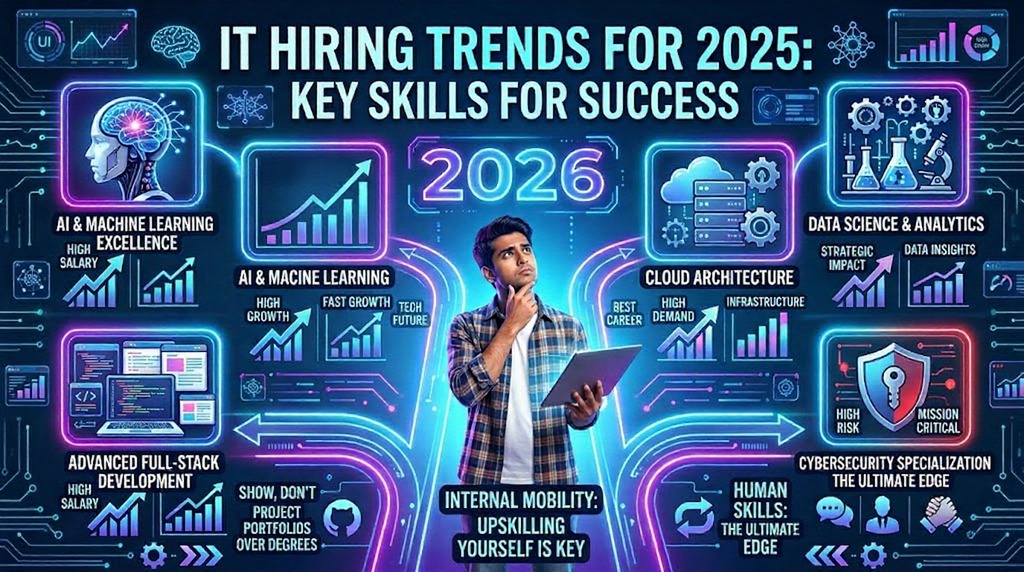
What the new Chairman of AICTE could mean for Higher Education
Prof T G Sitharam has taken over from UGC chairman Prof Jagadesh Kumar, who was holding interim charge of the AICTE chairman position.

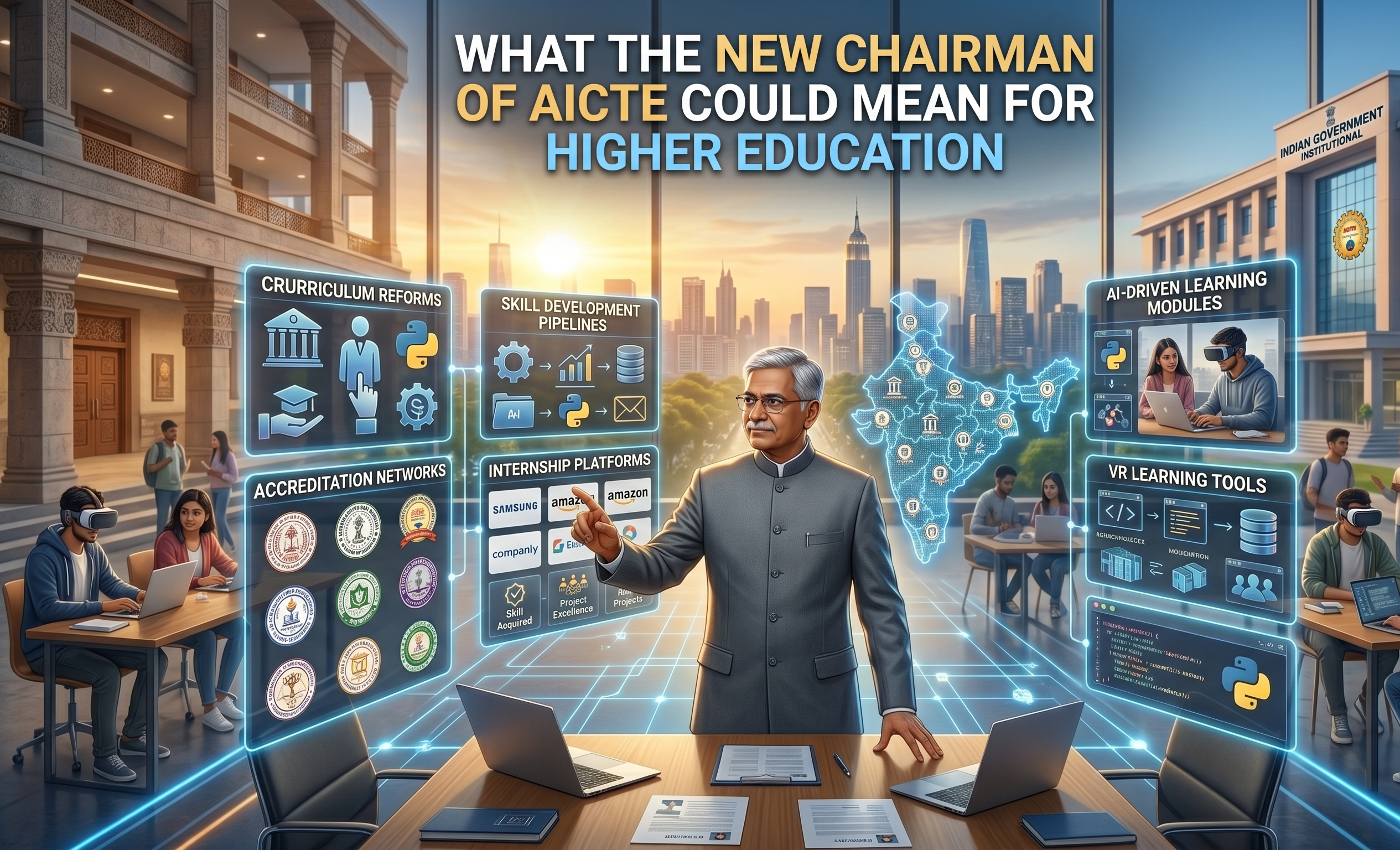
The appointment of Prof. Yogesh Singh, Vice-Chancellor of Delhi University, as Chairman of the All India Council for Technical Education (AICTE) represents an important moment for India’s higher education and technical ecosystem.
With a strong background in software engineering, academic leadership, and institutional governance (including roles at Delhi Technological University (DTU) and Netaji Subhas Institute of Technology (NSIT)), his leadership brings a blend of technical depth and policy-level experience.
Leadership changes at AICTE can directly influence curriculum structure, industry alignment, and the way engineering education is delivered across India.
1. Accelerated Engineering Curriculum Modernization
A key expectation from this leadership shift is the modernization of engineering curricula across AICTE-approved institutions.
Likely Academic Updates
- Greater focus on cloud computing, DevOps, and full-stack development
- Stronger integration of data structures, system design, and scalable architecture concepts
- Reduced gap between academic learning and real-world software engineering requirements
2. Alignment with “Viksit Bharat@2047” Vision
The broader national vision emphasizes innovation-driven growth, where technical education plays a central role in building startups, IP creation, and digital infrastructure.
- Startup Ecosystem: Stronger incubation support and campus entrepreneurship
- Practical Learning: Increased focus on hackathons and real-world problem solving
- Innovation Output: Encouraging patents, prototypes, and deployable systems
3. Stronger Integration of Interdisciplinary Education
A unified leadership perspective across technical and general education can accelerate cross-disciplinary learning frameworks.
- Flexible credit systems across domains like engineering, finance, and design
- Reduced rigidity between science, humanities, and technical streams
- Alignment with NEP-style educational reforms
4. Higher Standards of Institutional Quality
With experience in institutional ranking and accreditation systems, stricter quality benchmarks may become more prominent.
Expected Focus Areas
- Outcome-based education evaluation
- Stronger emphasis on faculty quality and research output
- Improved placement tracking and internship pipelines
5. Bridging the Regional Education Gap
A major policy direction is likely to focus on reducing the gap between tier-1 institutions and regional colleges.
- Improved access to digital learning infrastructure
- Equal exposure to industry-level resources in smaller cities
- Better integration of online certifications and skill programs
Final Perspective
The direction of technical education in India is increasingly shifting toward measurable outcomes, practical engineering skills, and real-world execution.
The focus is moving away from rote learning toward building graduates who can demonstrate proof of execution, system design thinking, and production-ready engineering capability.